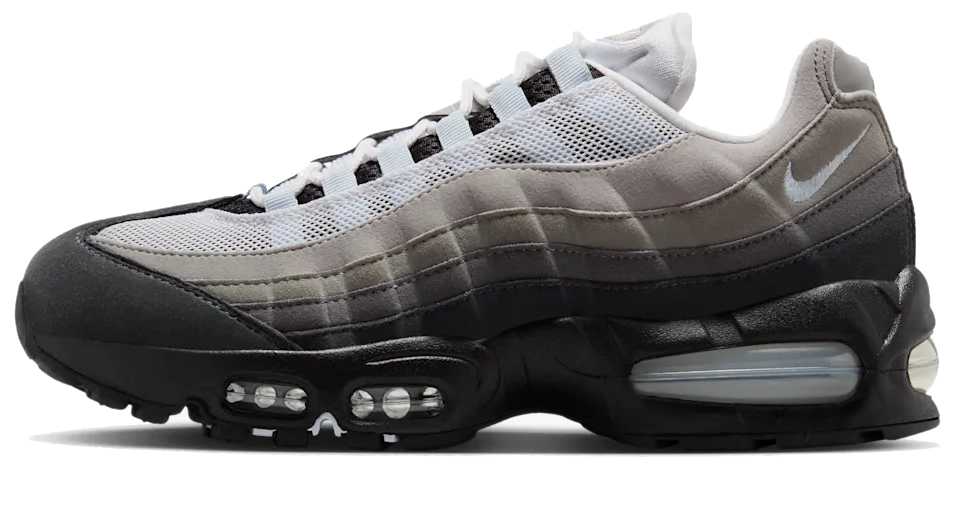
Steps to bring a traditionally manufactured shoe to market:
By the designer:
- Create a design brief that includes price, target customer, competitors, shoe concept, and technical details.
- Create a visual design brief with sketches and concept renderings.
- Create a tech pack with detailed specification drawings, spec sheets, and material maps.
By the manufacturer:
- Make shoe patterns, which are the shapes of the fabric pieces that make up the shoe.
- If needed, create molds for the outsole and midsole.
- Make samples.
- Purchase materials.
- Prepare materials by inspecting, cutting, marking assembly guide lines, skiving edges, applying logos, embroidery, embossing, knitting, stitching, preprocessing rubber, and more.
- Use molds to make natural rubber, synthetic foam, and elastomer outsoles and midsoles.
- Assemble the shoe using contact cement, stitching, vulcanization, and a large amount of handwork.
- Import the finished shoes, including shipping, customs, and tariff duties.
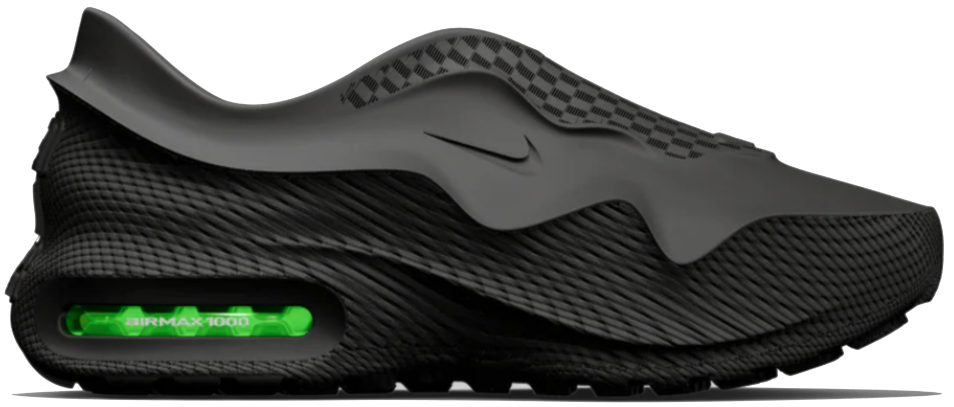
Steps bringing a 3D printed shoe to market:
- Create a shoe design, starting from a sketch and moving to CAD.
- Upload the design, where it is verified that it can be printed.
- Print a sample for less than $500.
- Set the price, product name, and other details.
-
Release the product to market. Zellerfeld prints and ships orders. Zellerfeld uses two materials:
TPU (thermoplastic polyurethane) and a water-dissolvable support material, either PVA or BVOH. It also uses custom-built 3D printers to manufacture its shoes.