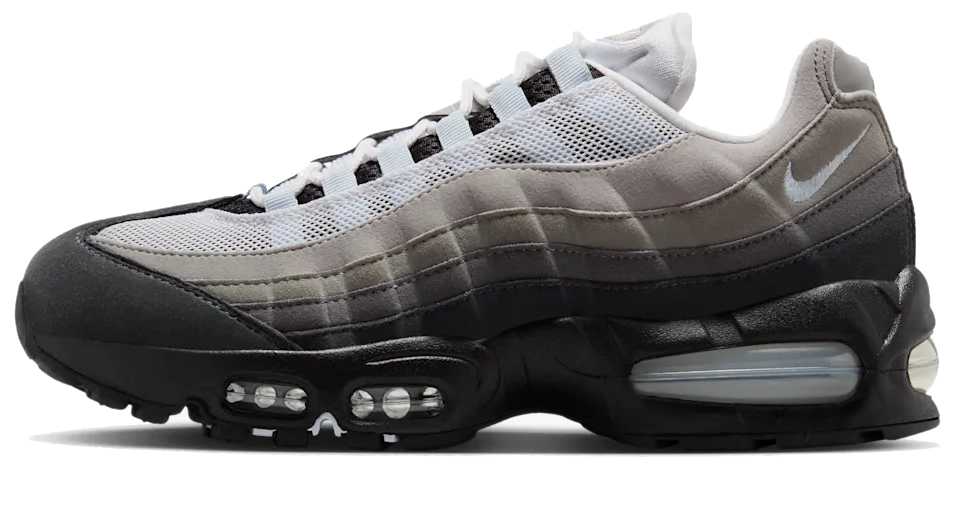
Advantages of traditional shoe manufacturing
- Industry standard process.
- Can produce large quantities at low cost with consistent industry-level quality.
- Uses an existing supply chain with established companies and skilled labor.
- Can support a wide range of shoe designs and materials.
Disadvantages
- Long lead times.
- High upfront costs.
- Designers must closely monitor production to ensure quality.
- Communication challenges due to language, culture, and time zone differences.
- Import challenges, including tariffs.
- Complex production. A simple shoe can have 50 parts and involve hundreds or thousands of workers.
- Requires factories with many specialized tools and machines, such as shoe lasts, fabric cutters, presses, two-roll mills, and toe-lasting machines.
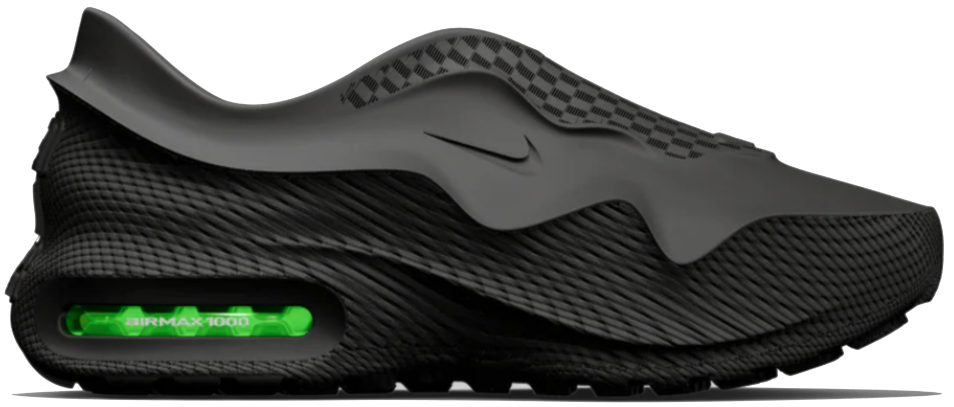
Advantages of 3D printed manufacturing
- Easy and low-cost prototyping of new shoe designs.
- Enables unique design possibilities. 3D printing supports complexity. For example, an embossed logo can be added at no extra cost.
- Simple production using a print farm of custom 3D printers.
- Uses a small number of common materials.
- Consistent production quality.
- Custom shoes can be made to order.
Disadvantages (as currently implemented)
- Limited range of materials, processes, and colors, which limits design options.
- Long turnaround times for all orders, including prototypes.
- High production costs.
- Limited production quantities.